The value of tutor feedback is clearly illustrated in this assignment. My response to the brief was on a purely interpretive level in relation to my own experiences and therefore became a descriptive assessment of the image rather than analytical, of which Matthew highlighted for me. Looking at the image now, in the light of Matthew’s feedback, it’s easier to see that a I had strayed from an analytical discourse and into the realms of personal subjectivity. Once this was pointed out I realised a change of approach was required.
Initially I debated with myself as to whether I should re-write or leave the assignment as it was and just carry on moving forward with the course; bearing in mind time constraints. An awareness that the academic essay is one of the most fundamental tools at a student’s disposal and that to get a better grasp of it is key to solid progression through the course, especially considering its importance with regard to the final year and the weight of writing that is required then.
So, how to go about a re-write?
Looking again at the image it’s easy to see that I chose quite a hard picture to write about. There was no information pertaining to it, only that within the frame; a historical document, so was open to my own interpretations. The image was not from the canon of widely established, great historic images of the likes of Fenton, Cameron or Lartigue, which have signifiers and symbolism within and perhaps could form an easier route into the essay. I had to understand why I chose this image to write about and not something with a well know pedigree. The answer was staring me in the face. The image related to my own personal history and how I view it and also it was about my initial encounter with it, and how, as a memory, this now forms a large part of the context with which I view it. I still thought it was important to include objective and subjective readings of the image, but also realised it was more about what the image meant to me.
There are several points of interest that Matthew has flagged which I know will be invaluable with my progression, but I think the most salient of these is the relationship of the photographer to the image; the why, how and wherefore? Although I did not feature this in the re-write, it is a point that is now lodged in my mind and I am thankful for it.
I found myself giving quite some consideration as to which route to choose with this project – I am tight on time now in respect to completing this module within the allotted OCA timeframes that ensure I stay on track for Level One completion – so I had to have resolve as to which image to make. As much as I like the idea of experimenting with a tableau-based image, I considered where I am and what I want to say as an image maker. I am a political animal and with this assignment saw an opportunity to ruminate on wider society ill’s and so thought it more fitting to pursue a constructed portrait. I still have a desire to experiment with a tableau image but would like to be able to give it more time to be experimental, I feel there would be a certain amount of post-production involved, this is something I’m aware I need to involve myself more with, at the moment I tend do just complete darkroom corrections if necessary. The exercise in part one has been as experimental as I’ve mustered so far.
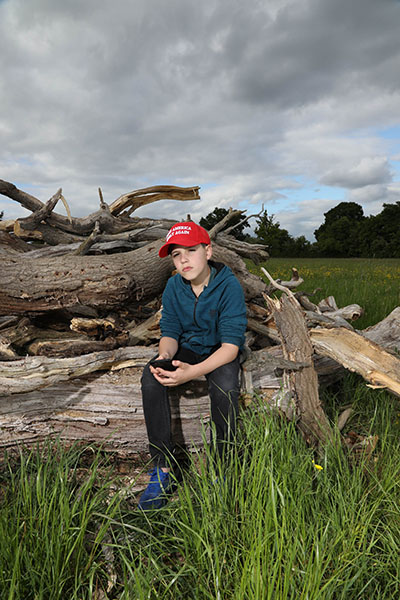
A number of serendipitous factors helped to shape my development of ideas regarding the image. The first occurred prior to Christmas; my daughter came back from a trip to New York and presented me with a Make America Great Again baseball cap (a joke, she often hears me cursing Trump). The second was a tree in the field behind our isolate cottage came down due to saturated ground, dead roots and high winds. Not long after the local farmer started cutting it up and assembling a wood stack. The final piece of the jigsaw came together when my father-in-law gifted me a very cheap and poorly constructed Aldi chainsaw. Unfortunately/fortunately he broke it on assembly and what little confidence I may have had in it ran for the hills, but, I knew it would serve as a great prop. So, I had a location and a couple of prop’s that would help to fulfil my potential idea, all I needed now was a willing subject. I didn’t have to look too far – my stepson was more than happy to try his hand at acting.
Recently, I bought myself some portable studio lights and battery-pack (Profoto B2’s). I purchased these with a view to expanding a portrait portfolio that would hopefully help me to get some corporate headshot work and also be able to shoot portraits for websites. It has been a long time since I’ve used studio lighting arrangements (not since I studied a BTEC in the mid 90’s), but after a little experimenting at home I soon had them figured out. I have no TTL-metering/ trigger capability and can’t activate them with my light meter so had to experiment and make notes to establish a successful formula regarding power ratios and distancing from subject. This worked great in the house, but I was unsure as to how it would replicate on location. I also knew that I wanted to have an effect on the ambient light slightly under-exposed and subject lighting bordering on the ethereal, again, this would require some on site trial and error. I remembered back to my college days that aperture controlled ambient light and shutter speed controlled the flash lighting, allowing you to either alter the light on your subject or background. I thought it best to go and do some test shots prior to the actual shoot. I really wanted to try and emulate the lighting feel of Crewdson and Prager in using light to lift the subject and accentuate colour. I came away from my test run with a confidence in my understanding of the lighting set up.
Alex Prager is an American photographer who creates tableaus with a cinematic feel based around extravagantly constructed mise en scène.
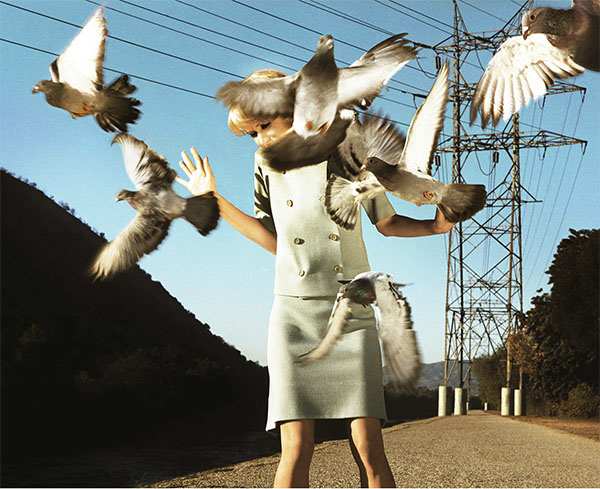
Born in 1979, she is based in Los Angeles; the city and its film industry heavily influence’s her work. Her images are formed of intricately designed sets often filled with actors, models and film extras, carefully organised by her to create fictive realities. These realities, often stylistically in the form of previous era’s such as the sixties and seventies. Maybe they could even be said to resemble colour film noir stills. The images often feature their solo protagonists in heightened states of mental duress or tension, sometimes paying homage to films or directors such as Alfred Hitchcock as with the image below and its resemblance to a scene from The Birds.
Fig.1. The Big Valley, Eve (2008)
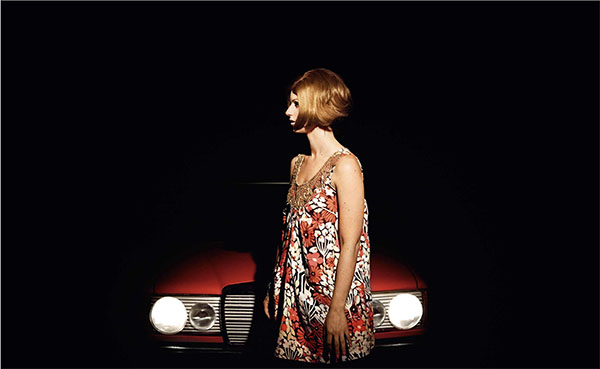
When not under tension the protagonists could be said to appear in states of melancholy or confusion. With the images featuring solo characters I feel as though there is more to their story, I wish to know what they were doing in the moments before and after the shutter was released; there is a question unanswered.
Fig.2. The Big Valley, Cindy (2008)
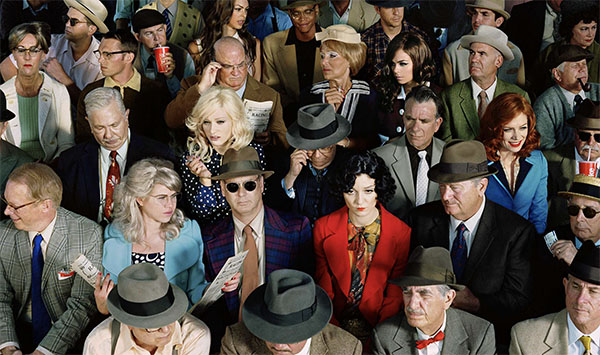
I see her larger tableaus as taking two separate styles; images containing scenes of the everyday and more fantastical compositions with elements of the surreal. The first tableaus often take place in bus queues and inside cinemas, with people going about their business independently of each other, with the added punctum of one character drawing the eye. Often this comes about because whereas characters around them are busy performing some realm of normality, the character that draws our attention is either looking at the viewer or staring off into the distance in a state of deep thought. Sometimes they are carrying on similarly to other characters and it’s down to the photographers framing and use of colour that draws our attention.
Fig.3. The Long Weekend, Crowd#1 (Stan Douglas), (2010)
I can definitely see within her work an homage to her earliest and greatest influence, William Eggleston. The use of colour is startlingly similar. That, and the fact that her images are stylised of the periods that he is particularly associated with. Other influences such as, Martin Parr, Diane Arbus and Weegee are apparent.
There is a lot I can take from viewing Alex’s work in terms of helping shape my thoughts and style in regard to my constructed portrait
Bibliography
Alex Prager Studio. 2020. Alex Prager Studio. [online] Available at: <https://www.alexprager.com> [Accessed 11 May 2020].
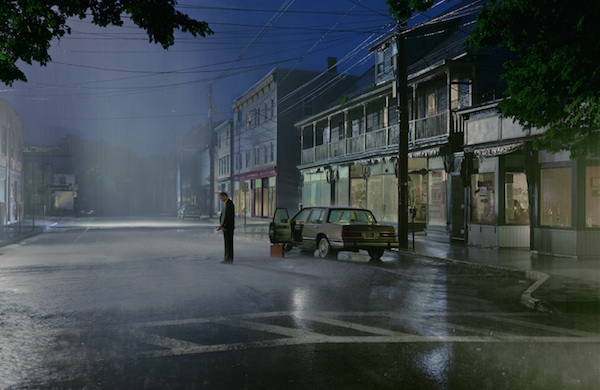
Without doubt, Crewdson’s images hold a huge amount of aesthetic beauty within the frame and he uses a great deal of effort in both terms of cost and logistics to ensure that this is the case. His images are lit with precision, requiring a large team of staff to ensure that the industrial scale cinematic lighting rigs are positioned and directed to his satisfaction, sometimes taking days to get right. Sets are painstakingly constructed, painted and furnished to further complete his vision and locations are closed off to ensure that they are empty of the public, all of which takes a great deal of planning and organisation. Alongside this though, his images are constructed to engage with the viewer in interpreting a narrative, each image having a story to tell. The images don’t direct you to an easy interpretation, you have to work at finding your individual answer. He says that his work is a mixture of both the familiar and the mysterious and these paradox’s can lead to certain level of ambiguity when it comes to deciphering meanings within the images.
There is, to my consideration, a constant sense of tension within Crewdson’s frame. Sometimes the tension is created by angular and awkward positions of his subjects, or the way that they appear in relation to others within the image, leaving the viewer un-nerved. Often there is a tension created by atmospheric lighting, wisps of smoke or even mist in a woodland. Colour also plays its part, be it drab, mundane, almost monochromatic colours, or scenes pricked with a shaft of colour, these subtleties aid the sense of discomfort and taught drama being played out. Looking at the dictionary definition of ‘psychological’, I see that it means; of, affecting, or arising in the mind; related to the mental and emotional state of a person. So, I think Crewdson’s work is successful in creating a psychological tension that leaves me reflecting on his images long after I’ve looked at them and often reveals a new reading or understanding after contemplation.
Crewdson, Untitled, 2004.
Creating work that is both visually appealing and that leaves the viewer contemplating that that they’ve seen, drawing their own conclusions instead of having things signposted for them is my ultimate goal in making pictures; preferably with narrative; singularly or themed. I’m not against images that portray beauty or have them as their main focus. I mean, we only have to look at the landscapes of Ansel Adams to see that beauty can, on its own, make images that get us reflecting on wider issues, it’s just that I wouldn’t use beauty as the main goal. This opinion is subject to change though.
‘External context is the situation in which a photograph is presented or found. Every photograph is intentionally or accidentally situated within a context.’ (Barrett, 2006, 109).
Barrett’s statement holds great sway with how I view the image above. The image is a found image that I actually stumbled across. Let me explain as it gives context with how I view this image.
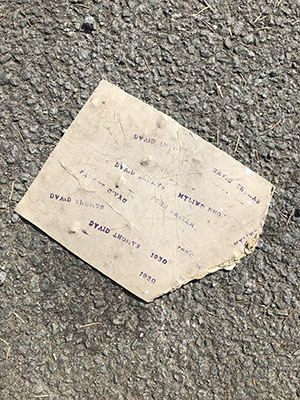
My partner and I were on an ad hock holiday in The Llyn Peninsula, Wales, sleeping out of the back of a van and avoiding paying for camping sites. We found a beautiful park up on the edge of some Nation Trust land overlooking the bay at Hells Mouth; it was a glorious weekend and my partners birthday; we were totally in the moment, without distraction. I’d gone for an early morning walk and was absorbed by birdsong and blossoms when I noticed the card squashed into the tarmac. A huge smile appeared when I looked at the reverse of it and saw it was a photograph, and a historic one at that; two of my great joys. Now whenever I look at the image I am also reminded of a time and place; the image releases a memory within.
On reviewing the image, I consider many varying aspects related to its meaning, which are formed over its entire history; up to the point that I found it. Time and the interplay of human interaction have all helped shape my personal reading of the image.
‘a photograph is a trace of the past, of a past that the image is already separated from.’ (Short, 2005, 21).
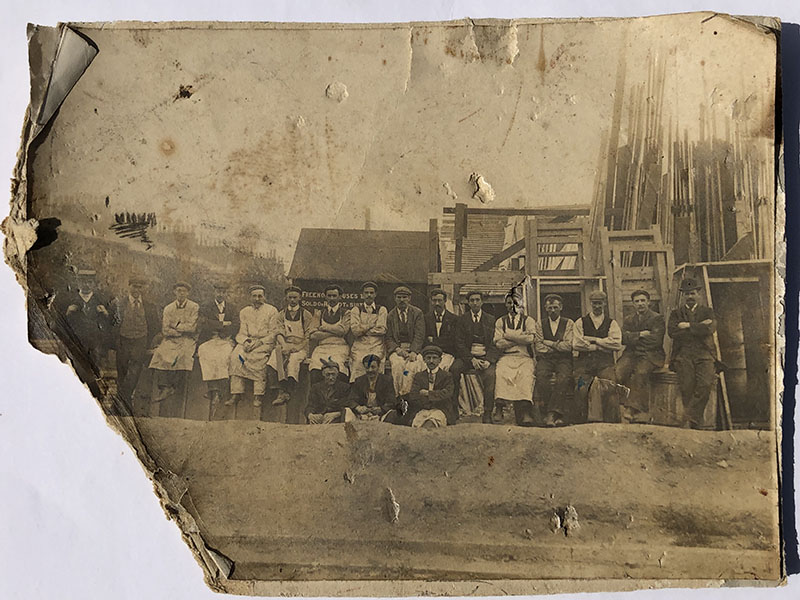
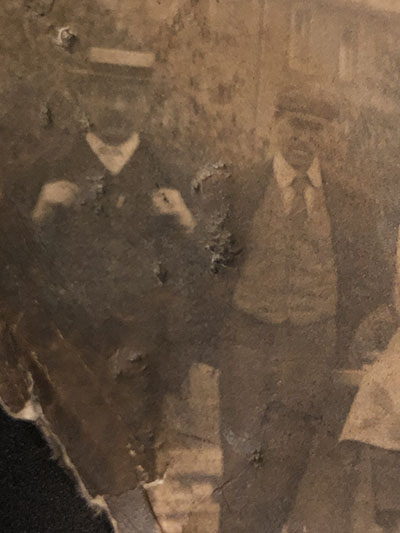
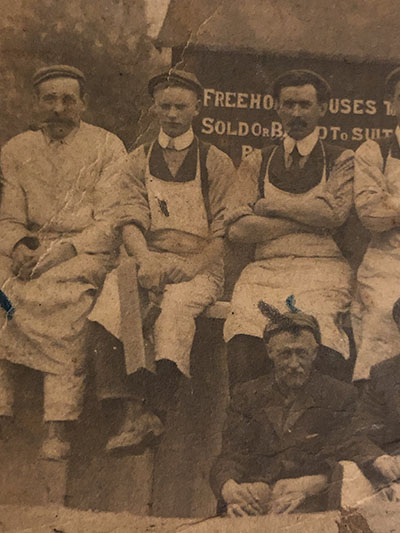
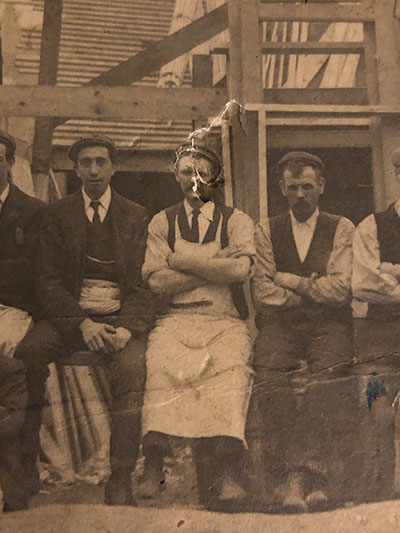
Considering the studium of the image; there is a collective of males; bound by labour, in the surroundings of the workplace environment; recorded for prosperity. The image shows a particular slice of society of the era; predominantly the working-class male. A further look at that which is denoted reveals a timescale of the Edwardian period, as indicated by the style of clothing; a straw boater, flat caps, bowler hat, starched collars and bushy moustaches. We can see more from the appearance of the majority of the men that their clothing is akin to working class men of the time. The aprons the men are wearing suggest a workshop environment and the figure, six in from the left is holding a plane, coupled with the columns of timber on the right-hand side it is obvious that these are employees in a woodyard. Looking at the incomplete signage on the building I can decipher Freehold Houses To be Sold Or Build To Suit… the rest of the writing is obscured. The employees are bookended by four authoritative figures; on the left two well-dressed gent’s indicative of ownership and management, and on the right their subordinates in authority; a workshop manager and supervisor perhaps? Just behind the figures on the left is a row of terraced houses with multiple chimney stacks. Unfortunately, the photographer has chopped the legs of the seated figures by not being able to elevate his camera above the height of the wall or earth bank that makes up the foreground of the image. This may indicate a newness to photography or lack of professionalism on his part.
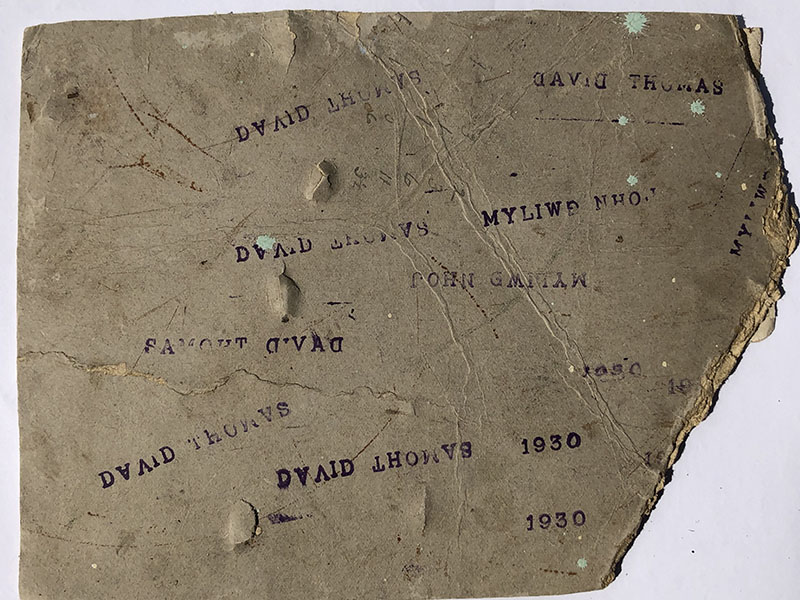
After the image has been made and mounted, we can see further denotations. The torn off corner and frayed edges; marks and stains; doodles on the chimneys and punctures, like pockmarks. On the reverse are significant markings adding to the image’s history. All of these give account of its journey through time.
‘Photographs are commonly used as evidence. They are among the material marshalled by the historian in order to investigate the past.’ (Wells, 2015, 64)
The first impression I gain from reading this image is that of hierarchal subservience. As noted earlier the group of joiners are arranged with authority figures at each end. They are stood guard over and therefore it’s as though there is no escape from their social predicament. They are seemingly cowed into submission to perform at request; perhaps even demand. The body-language; arms folded and stoic expressions on the faces of the men indicates a level of un-willingness to perform. There may be a level of distrust aimed at the photographer. The owner at the left of the men, in comparison; stands tall, thumbing his waistcoat, lofty in fashion and social position. This is an age of empires, class, race and gender dominance. To be a middle-class white male at the time, allows a level of ease and comfort through life’s passage, compared to the toil and hardships endured by the lower echelons of society.
I also read a loss of innocence in the photograph. How long before the men are led to the battle grounds of The Western Front? These men, innocently signing up to embark on a great adventure as a band of brothers; un-knowingly whistling their way to scenes of great carnage. The straw boater and bowler hats replaced by shoulder pips and sergeant’s stripes, the hierarchy remaining in place; serving the empirical vanities of the ruling classes. The wood-stack and chimney’s connoting pyres and columns of smoke rising to the heavens from the devasted battlefields. Although added later to the photograph, the indentations of the tarmac give added punctum to the image; serving as a symbol of machine gun strafing, especially with regard to the mans obliterated face, further enhancing loss.
Finally, I consider the reverse of the image and more added history. The image now sitting on an office desk in 1930. Maybe the young apprentice with the plane has survived the carnage of war and gained promotion through the company ranks. He arranges type blocks on a stamping tool that affirms his Welsh identity and now maybe his own authority; stamping the back of the image to check this arrangement before applying it to invoices or yard dockets.
I’ll not know for sure what happened to these men or if my reading is accurate. All I can do is apply my own feelings on social inadequacies and a sense of history and give the picture a personal reading.
Word count 1016
Bibliography
Barrett, T., 2012. Criticizing Photographs. New York: McGraw Hill.
BATE, D., 2016. PHOTOGRAPHY. [S.l.]: BLOOMSBURY VISUAL ARTS.
Wells, L., 2015. Photography A Critical Introduction. London: Taylor & Francis.
Liz Jobey’s essay ‘A Young Brooklyn Family Going For A Sunday Outing, N.Y.C 1966’ is an excellent example of how to use some of the analytical mechanisms discussed in the previous chapter; Reading Pictures. Her first line of text ‘The fictions we make about photographs are as unreliable as they are unavoidable.’ (Jobey, 2005, 67), is true, in regard of relating to individual interpretations. We all come at reading pictures from our own mindset attributed to our own personal experiences; so, interpret accordingly. If 10 different people were asked to opine on the image, 10 differing fictions would present, which would be true, all of them? Thus, the opening line sums up the intertextuality when reading an image.
The essay is then split into two different parts. The first is Jobey’s rendering of the image and the second a more forensic analysis of Arbus and underlying opinions and viewpoints pertaining to her; some of which are positive such as Szarkowski’s inclusion in the New Documents exhibition and his catalogue statement, ‘The portraits of Diane Arbus show that all of us – the most ordinary and the most exotic of us – are on closer scrutiny remarkable.’ (Szarkowski, 1967, 3), others not so; Sontag’s opinions, which form parts of her essay’s in On Photography, ‘For what would be more correctly described as their dissociated point of view, the photographs have been praised for their candour and for an unsettling empathy with their subjects. What is actually their aggressiveness towards the public has been treated as a moral accomplishment.’ (Sontag, 1977, 33). These differing opinions and other investigations help to form a wider interpretation of the image and form a vital role in the reading.
Looking at Jobey’s reading of the image itself I can’t help but wonder if she has been influenced by some of the criticism of Arbus and her pursuit of ‘Freaks’ and the marginalised, with her persistent reference to them being victims and negative connotations connected to Arbus. ‘Are they victims of some sort of tragedy waiting to happen? Will they fight, separate, divorce, marry other people? Will they die an early death? Or will they live out the clichéd, doomed existence of a blue-collar couple in a Bruce Springsteen song?’ (Jobey, 2005, 67). Maybe this reading is more emblematic of Jobey’s own background or perhaps what she sees as signified is the broken family, whereas, my reading of signified is matriarchal dominance; as David Bates suggests ‘Unintended meanings occur, and what Roland Barthes once called “obtuse” meanings, as much as the “obvious” meanings, may be in the play in a photograph interacting with the viewer.’ (Bate, 2016, 32).
For an assignment that initially gave me the most concern prior to starting, I have to admit to gaining the most pleasure from the whole process and final outcome including my tutors report. I really didn’t have a clue how to approach this assignment initially. Usually I have an idea or number of ideas on reading assignment briefs – not this time. To look at myself felt like therapy and I was fearful of what I might find. How much did I want to uncover/reveal about myself.
Keeping the journal over a couple of weeks was the impetus I needed to form a foundation of reflection, uncovering details about myself that I probably would normally ignore or put to one-side. The journal helped me see a common thread within my thought process with which I could pursue as a theme. I really feel this assignment has helped me develop a working through of ideas and experimentation to reach an effective conclusion; something that I can carry forward to further assignments.
I have taken onboard my tutor’s comments regarding the need to diversify the backgrounds featured in the tool images. There is a repetition that needs breaking up to make the set of images more cohesive; so, I have re-worked these images.
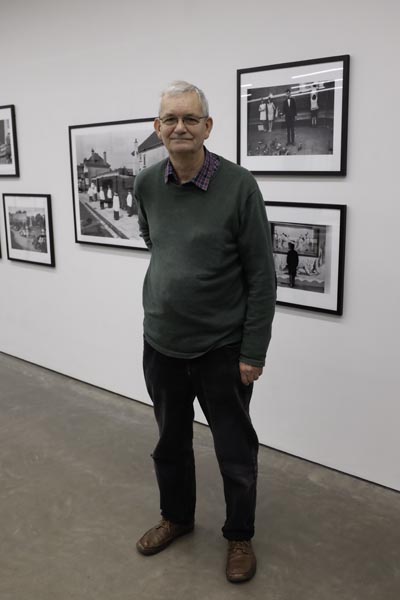
This study visit was organised by Amano Tracy and took place at MPF Bristol on 14/12/19. The event consisted of Martin giving a personal retrospective account of his career and photographic life to date.
Parr was born in Epsom, Surrey, 1952 and was influenced by his grandfather a keen amateur photographer and member of the Royal Photographic Society.
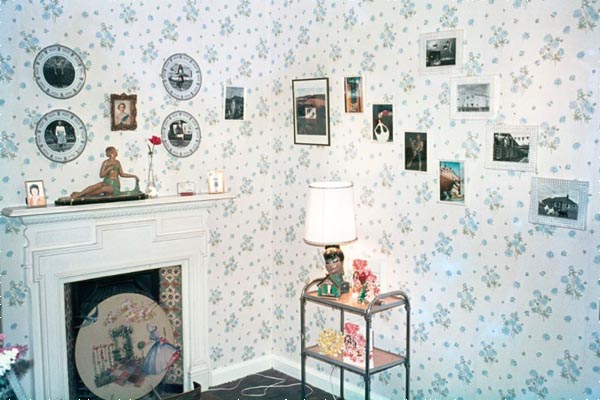
Parr studied photography at Manchester Polytechnic from 1970-1973; explaining that the course was designed to produce commercial photographers with a heavy bias on the science aspects of lighting and darkroom etiquette. Here though, Parr collaborated with his contemporaries such as Daniel Meadows and Brian Griffin, culminating in projects based on the notion of Northern Vernacular. During this time, he and Meadows got work in a Butlins camp as roving photographers. His Diploma show ‘Home Sweet Home’ exhibited at the Impressions Gallery was to reveal many of his re-occurring tropes that would litter his work in the following decades; documentary, kitsch, collectables and domestic interior. The exhibition was also an expression of his frustration at the traditional studio-based course at Manchester.
Parr, Home Sweet Home, 1974
In 1975, Parr moved to Hebden Bridge in the Pennines. Here, he became involved in an artist’s cooperative The Albert Street Workshop ‘It was very good…people would drop in for coffee and it was very sociable. I had one wall…I displayed my photographs, and as I took new ones, I replaced them, it was a constantly changing exhibition.’ (Parr, 2014, 71). His time here would see him mature as a photographer as he engaged with local community projects such as The Non-Conformists; a project working in the community Methodist and Baptist chapels. A long form documentary project shot in black and white. He explained, when asked, that he gained permission to photograph and that he became familiar with the occupants, enough so they just ignored him, resulting in an observational style of documentary photography. While in Hebden, Parr also worked on other projects that would eventually become books, two being “Beauty Spots” and “Bad Weather”. For his project “Bad Weather” Parr purchased an underwater camera and flash because, as his project suggested, he was photographing in very inclement conditions. He told us that he became interested in the way the flash lit up raindrops and that they were to become an integral part of this body of work and that how this would inform the use of flash in his later projects.
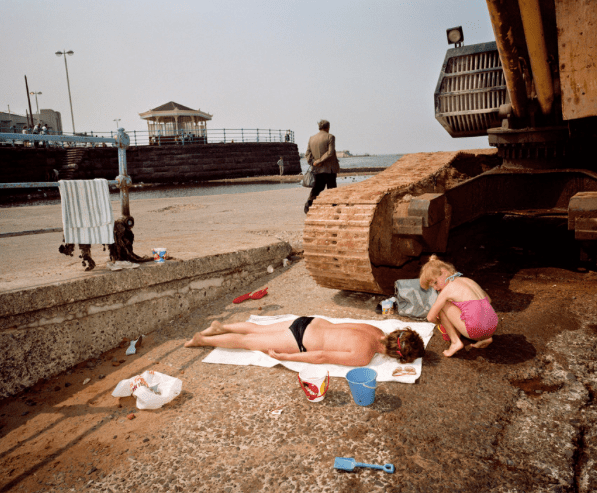
One of his early set of collections were the postcard photographs of British tourist spots made by John Hinde, these highly saturated colour photographs and the work of influential American colour photographers such as William Eggleston, Stephen Shore and Joel Meyerowitz marked a shift in technique from black and white to colour photography. In 1982 Parr moved to an are just north of Birkenhead in Liverpool, from here he spent the next three summers photographing working class Liverpudlian seaside goers at New Brighton. The resulting book and exhibition “The Last Resort” marked a huge shift in British photography, enabling the embrace of colour as a serious representation for art and documentary photography. I honestly think that the release of this book enabled a huge leap forward for British photography especially with regard of its reach with the wider populous and the acceptance of colour as a serious genre within the British photographic sphere. The work was criticised by some for its exploration (some say, exploitation) of the working classes, but, for me it shows truth inherent in our class structure, and if by being unflinching he makes some people uncomfortable, then perhaps they just can’t handle truth. Let us not forget; photography is now, truly democratic.
Parr, The Last Resort, 1983-1985.
After receiving some criticism for “The Last Resort”, of which he said it was as equally beneficial to him as the plaudits he received, he decided to turn the camera on his own class, the middle class and so produced a body of work entitled “The Cost of Living”. The project was to coincide with the height of “Thatcherism”, which helped enable the middle class to become respectively more affluent. Photographing at such places and events as; Malvern Girls School, Conservative clubs, Laura Ashley shops, village fetes, garden parties and bowling clubs. Richard Ehrlich, writing in Creative Camera states ‘Some people criticised “The Last Resort” as being voyeuristic and/or patronising, and “The Cost of Living” will be open to the same sort of criticism, particularly as the satire is even more biting. People are most vulnerable to satire when they take themselves seriously, and the people in “The Cost of Living” take themselves very seriously indeed…Parr has caught the comfortable, confident classes at the apex of their pride.’ (Ehrlich, 1990). Personally, I’ve always enjoyed the satire in Parr’s work, I find the humour quite refreshing, after all, sarcasm, self-deprecation, the absurd and satire could be said to be inherent in British DNA.
The next books he produced focused his gaze outside of the UK as he covered the topics of tourism “Small World” and globalisation “Common Sense”. Parr is a prolific producer of photobooks and also a huge collector too. He famously sold his collection of over 12,000 books to the Tate, widely recognised as one of the greatest collections of photobooks. His collecting interests didn’t just stop at photobooks as over the years he has gathered all sorts of different ephemera such as: Saddam Hussein watches, Margaret Thatcher plates, Space Dog ephemera and much more.
In 1994 Parr became a full member of the Magnum picture agency. The vote to include him into membership was one of the most divisive in the history of the agency, with Philip Jones Griffiths circulating a letter decrying his inclusion. He was voted in with a two thirds majority by just one vote. He became president of the agency in 2014; a post he upheld until 2017.
In 2014 Parr set up the Martin Parr Foundation in Bristol. The building it is located in (and where this visit took place) houses Parr’s own archive in a massive database, his collection of book dummies and other acquired photobooks and is a centre for promoting British photography and photography concerned with Britishness.
After the talk there was a Q&A with Martin covering a wide range of topics from student’s questions. For me one of the most revealing insights came from a question asked by Helen Rosemier. Asking about the ethics of representation and Parr’s thoughts on the subject, considering controversies surrounding some of his images, and also whether he’s had blowback from people who thought they’d been misrepresented; he answered that he’d very rarely received comments from people featured in his images with regard to misrepresentation and that generally the reactions were positive. Regarding ethics he said “In terms of the ethics, you just take anything and then you decide later whether you use it and what context you use it in.” Answering Helen’s question on exploitation he said, “Photography by nature is somewhat exploitative…it doesn’t bother me because I think it’s important to have the creative freedom to be able to photograph anything that you want to.” Reassuringly, even someone as renowned as Martin has hundreds of duff images for each success, “It’s the nature of the beast when producing work that is reactive.”
I found this a very worthwhile day. To gain insights into the practices and thoughts of one of Britain’s most eminent and well-known photographers is quite a coup for OCA and I was surprised by the number of people who dropped out of the visit at the last minute – their loss.
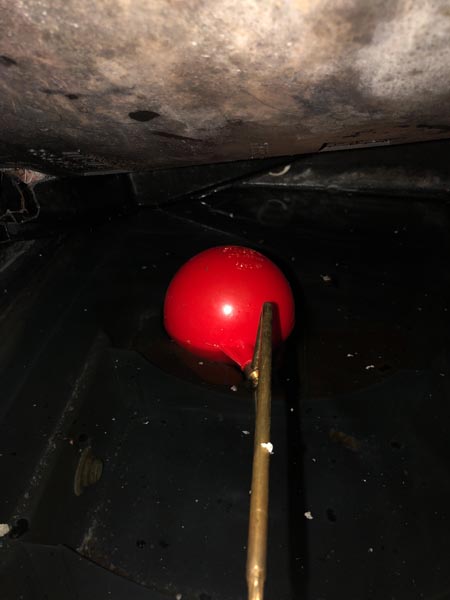
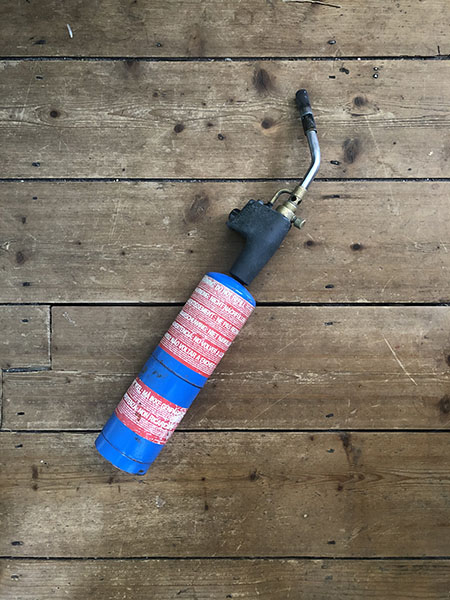
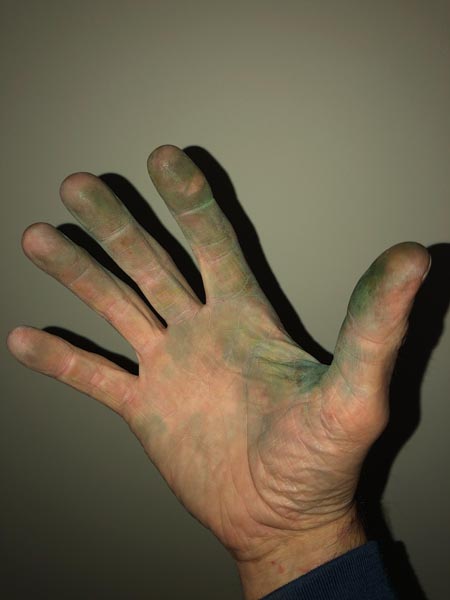
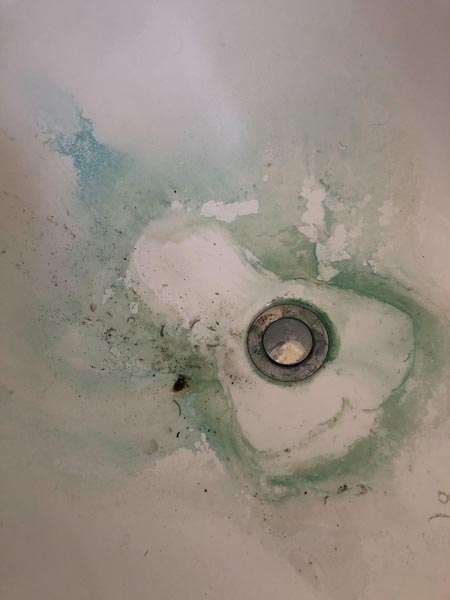
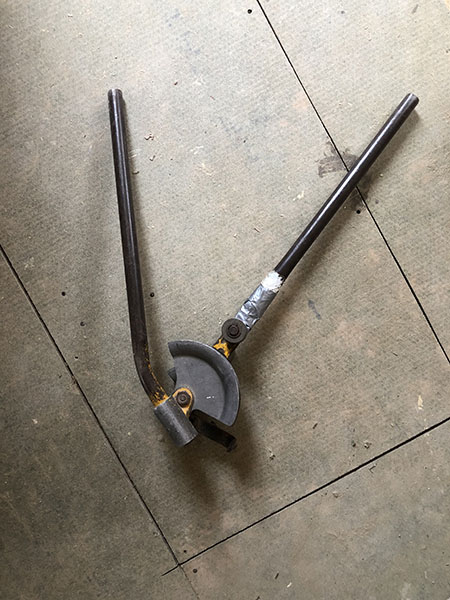
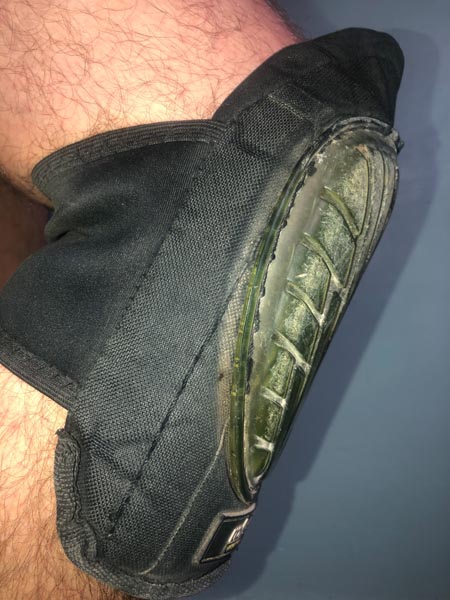
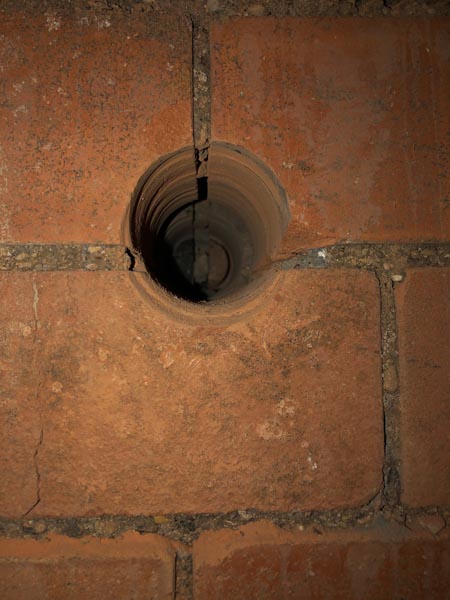
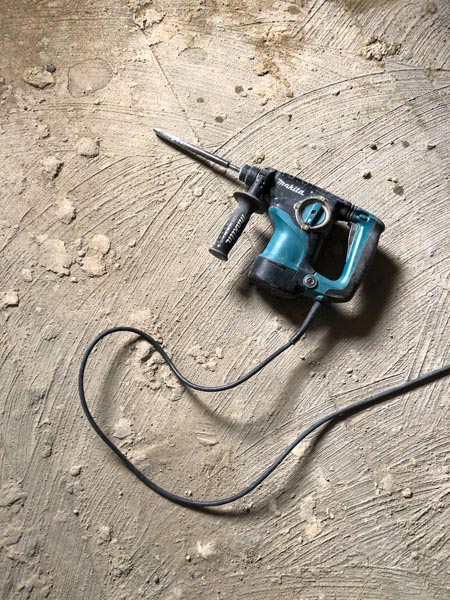
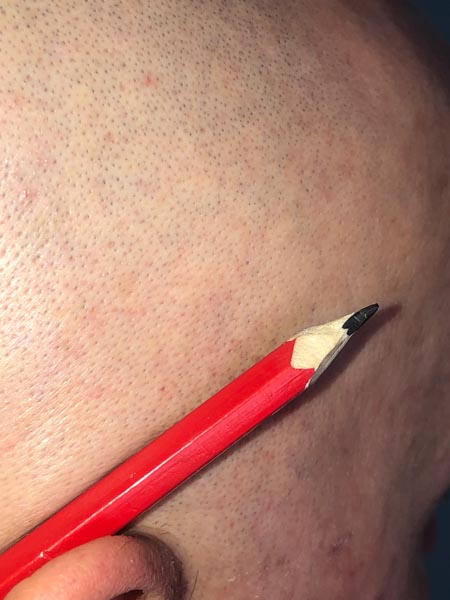
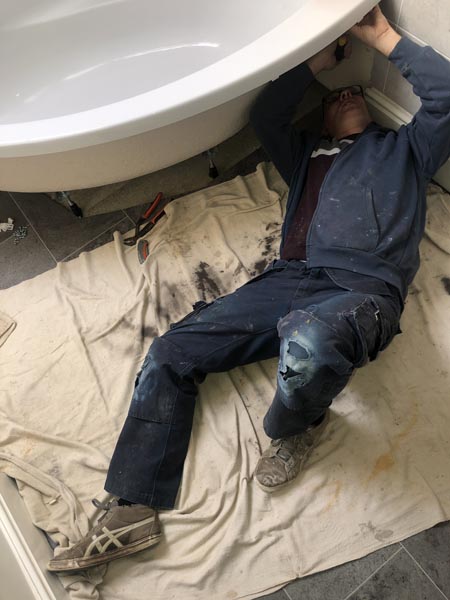
Viewing Nigel Shafran’s and Tom Sach’s work has helped inform the direction that I wish to follow with this assignment. Looking at their work has been beneficial in helping decide to follow a multi-strand approach to the brief. By that, I mean to incorporate still life scenes (aide memoire images), still life objects equated to labour (power tools) and self-portrait representative of workplace environment. As much as the assignment is about self-portrait I also want to establish a connection to labour and manual endeavour.
For a while I’ve wrestled with the notion of including images of me undertaking my work, thinking that it would be good to include actual work-based practice. I can’t say that I was particularly pleased with any of the resulting images though, they tended to lack dynamism or visual impact, they were just boring and if I had seen them anywhere else I’d have probably thought…yeah, so what!
So instead I decided to follow a more abstract version of myself, one that alludes to the rigours of labour and that is less obvious, making the viewer make their own connections.
I also made a couple of short time-lapse films https://vimeo.com/user4294756, but am as of this moment unsure about including them in the final submission. Although I like them they do have a slightly gimmicky quality – time-lapse to me, means Benny Hill. No, actually, those last words mean I am sure, they can stay on the cutting room floor.
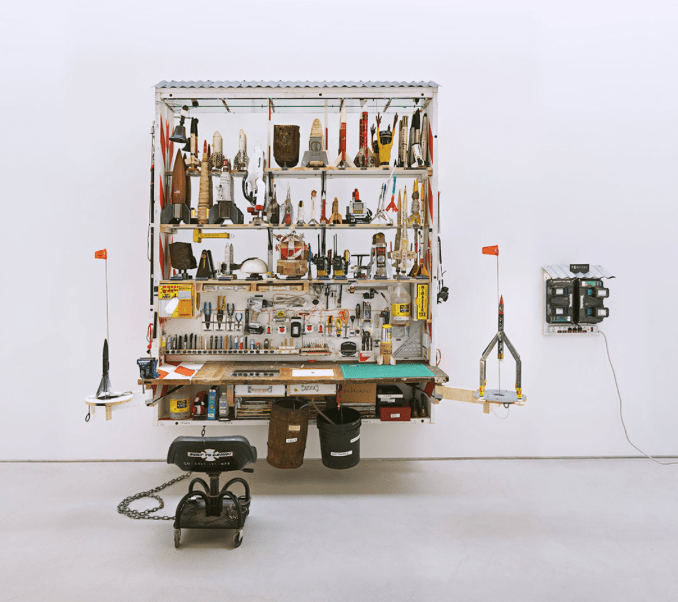
As I was developing a variety of strands for this assignment I pondered on how objects could represent self. A internet search didn’t reveal to much in respect of photographic practice, but I did stumble upon an American artist call Tom Sachs and in particular a piece of work entitled, Rockeths (2017).
Tom lives and works in New York after moving there from LA via London where he studied architecture at the Architectural Association School of Architecture. His contemporary art practice combines mixed media and sculpture, working with a wide variety of materials. His works are mainly concerned with consumerism, labour and an obsession with space.
Rockeths forms part of a series of works based around the German notion of Wunderkammern – cabinets of curiosities, dating back to the Renaissance period. The items contained within the carefully curated and structured works are objects of his fascination and often relate to labour intensive practice, he states, ‘I want labour to be the point, because everything in our lives is miraculously made with no idea of how it’s done.’ (Sachs, 2017). This resonates with me because my assignment equates specifically to the subject of labour inherent in my working identity. A particularly poignant element of his piece is the chair chained to the work surface, for him it represents slavish dedication to hobbyism, whereas, with relation to my own work it could represent a different notion of slavery, that of slavery to a capitalist model.
 Context and Narrative