Category: Assignments
The parent category for assignment work.
Assignment 3: Further Progression
Viewing Nigel Shafran’s and Tom Sach’s work has helped inform the direction that I wish to follow with this assignment. Looking at their work has been beneficial in helping decide to follow a multi-strand approach to the brief. By that, I mean to incorporate still life scenes (aide memoire images), still life objects equated to labour (power tools) and self-portrait representative of workplace environment. As much as the assignment is about self-portrait I also want to establish a connection to labour and manual endeavour.
For a while I’ve wrestled with the notion of including images of me undertaking my work, thinking that it would be good to include actual work-based practice. I can’t say that I was particularly pleased with any of the resulting images though, they tended to lack dynamism or visual impact, they were just boring and if I had seen them anywhere else I’d have probably thought…yeah, so what!
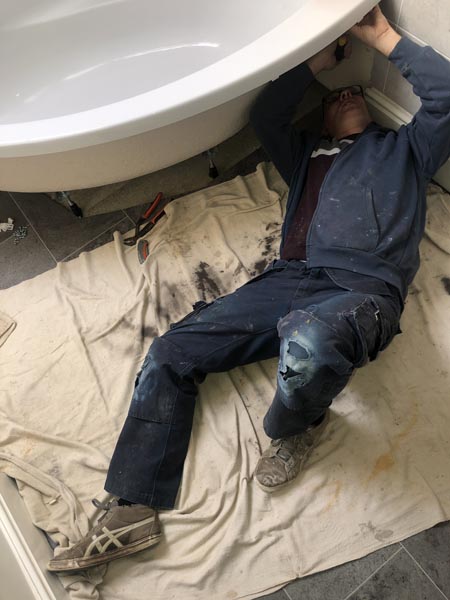
So instead I decided to follow a more abstract version of myself, one that alludes to the rigours of labour and that is less obvious, making the viewer make their own connections.
I also made a couple of short time-lapse films https://vimeo.com/user4294756, but am as of this moment unsure about including them in the final submission. Although I like them they do have a slightly gimmicky quality – time-lapse to me, means Benny Hill. No, actually, those last words mean I am sure, they can stay on the cutting room floor.
Assignment 3: Additional Research
As I was developing a variety of strands for this assignment I pondered on how objects could represent self. A internet search didn’t reveal to much in respect of photographic practice, but I did stumble upon an American artist call Tom Sachs and in particular a piece of work entitled, Rockeths (2017).
Tom lives and works in New York after moving there from LA via London where he studied architecture at the Architectural Association School of Architecture. His contemporary art practice combines mixed media and sculpture, working with a wide variety of materials. His works are mainly concerned with consumerism, labour and an obsession with space.
Rockeths forms part of a series of works based around the German notion of Wunderkammern – cabinets of curiosities, dating back to the Renaissance period. The items contained within the carefully curated and structured works are objects of his fascination and often relate to labour intensive practice, he states, ‘I want labour to be the point, because everything in our lives is miraculously made with no idea of how it’s done.’ (Sachs, 2017). This resonates with me because my assignment equates specifically to the subject of labour inherent in my working identity. A particularly poignant element of his piece is the chair chained to the work surface, for him it represents slavish dedication to hobbyism, whereas, with relation to my own work it could represent a different notion of slavery, that of slavery to a capitalist model.
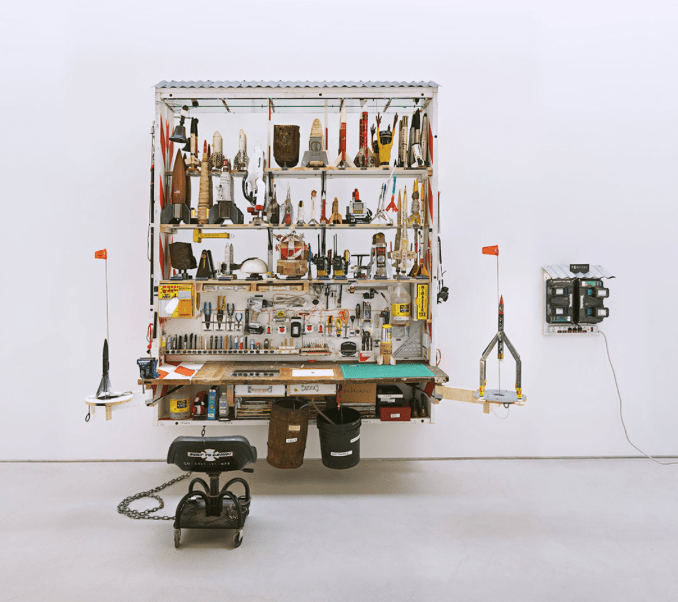
Sachs, Rockeths, 2017.
Bibliography
Magazine, W. (2020). Tom Sachs shapes a self-portrait through things, found and fabricated. [online] Wallpaper*. Available at: https://www.wallpaper.com/art/tom-sachs-sperone-westwater-objects-of-devotion [Accessed 22 Feb. 2020].
Tomsachs.org. (2020). Tom Sachs: Exhibitions / Objects of Devotion. [online] Available at: https://www.tomsachs.org/exhibition/objects_of_devotion [Accessed 22 Feb. 2020].
Artnet.com. (2020). Tom Sachs | artnet. [online] Available at: http://www.artnet.com/artists/tom-sachs/ [Accessed 22 Feb. 2020].
Huck Magazine. (2020). Tom Sachs – The Curse of Creativity. [online] Available at: https://www.huckmag.com/art-and-culture/art-2/tom-sachs/ [Accessed 22 Feb. 2020].
En.wikipedia.org. (2020). Tom Sachs (artist). [online] Available at: https://en.wikipedia.org/wiki/Tom_Sachs_(artist) [Accessed 22 Feb. 2020].
Assignment 3: Self-portrait
When looking at images that are representative of me in respect of social media presence, they are, in the main oblique to the standard fare that usually adorns profile images. I generally shy away from selfies per se and if people ask me to join in a group shot it’s either reluctantly or an adamant ‘NO’. There’s a reason I like to be behind the lens rather than in front of it – it gives me a chance to hide. I don’t specifically think it’s through lack of ego – I have one just the same as anyone else and have always worked in male only environments where big egos abound, it’s just that I might be a little too self-aware, a hang up from my youth perhaps. I started taking photographs in my teens and often repeated the mantra “I prefer to be this side”, I guess it stuck in some psychological guise. So, it was with a great deal of trepidation that I started the exercises and the thinking for this assignment.
Sometimes I get a flood of ideas around a project, sometimes it’s just one, this time though, I couldn’t think of anything. Instead I procrastinated. So, it was I embarked on my diary to gain some insight into my persona with a view to make a reflective set of images that grasped my own identity. Accordingly Bate states ‘a photographic portrait may offer an image of someone that the viewer can identify with’ (Bate, 2016, 102). This sounded relatively attainable, but, I like and am interested in and engage with many things, so I had to identify which specific facet of my life to pursue.
Whilst making entries into my diary I germinated some initial ideas for the project. The first being around the sports I enjoy. I am practitioner of a variety of different sports all of which could be grouped into the heading of extreme or outdoors. As with a lot of sports, the process of being involved in them can often result in injuries and that is quite a true to the sports I participate in; mountain biking, martial arts, surfing and occasionally climbing. Perhaps I could base my project around injuries sustained through the practice of my sports and as a an aside it could be contemplative of masculinity. Thinking of putting this idea into practice required a key component that I don’t have access to, that of a theatrical make up artist. Some of the historic injuries I’ve collected over the years include, broken bones, severe cuts and more commonly bruising, all of which aren’t easily replicated unless you have the required skill sets. Another thing that put me off the idea, especially in relation to masculinity and sport is that it is an outdated notion and therefore lacks weight of argument, gender representation has advanced, although there are some sports that still need dragging out of the dark ages, thankfully not the sports that I enjoy. So, I put this initial idea on the backburner for now, although it’s an interesting notion I’d like to come back to.
My diary progressed and although it was a slog to complete at times I managed to write a day for two weeks, no mean feat!
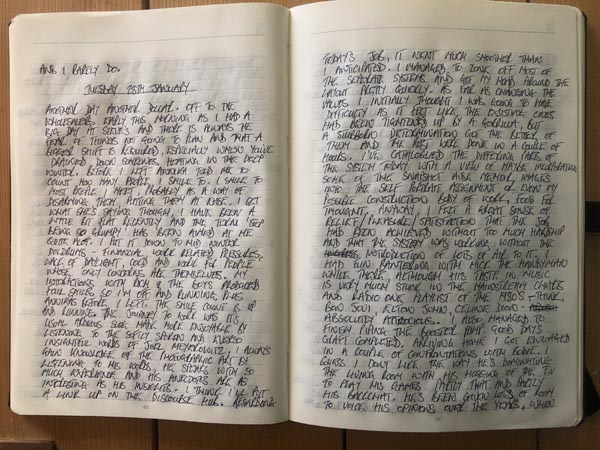
On reflecting over the entries, I was aghast to see that the main preoccupation regarded work and my often dissatisfaction with it, probably exaggerated by the mid-winter blues. For over thirty years my line of work has exacted a heavy physical toll from my body and I’m reaching the stage now where I am looking at either a complete change in working practice or retreating to a warmer, less exacting office-based environment. My line of work – I am a plumber and I face the daily routine of slowly warming up my joints when getting out of bed to be able to physically function without too much pain. I now knew which subject with relation to self that I wanted to develop, I just had to find a way of conveyance.
My initial idea was to create images relating to work practice. The advent of smart phones has been hugely beneficial as an aide memoire and also to show clients of correct procedure in unattainable places – well to them anyway. I am always taking images, often lit with flash so as to prepare for future work and have a phone full of current and historic references. This idea would draw upon Nigel Shafran’s Washing Up series of images and therefore would imply the notion of the still life as insight to workplace routine, the mundane becoming the view of another world. I also like the idea of using flash to encompass a snapshot aesthetic. As Bate states ‘Like portraits, still life pictures combine several elements together, the subject (the object), it’s background location, the “expression” of the object (achieved through lighting, camera angle and lens) and other props that give it a context…’, he further says ‘The two levels of meaning, informational and symbolic, are combined in an instantaneous reading of the image’, (Bate, 2016,151). This could be a good avenue to approach with revealing insight to my identity, as even if the viewer doesn’t understand the artefact in question, they can at least identify the fact that they are related to my line of work.
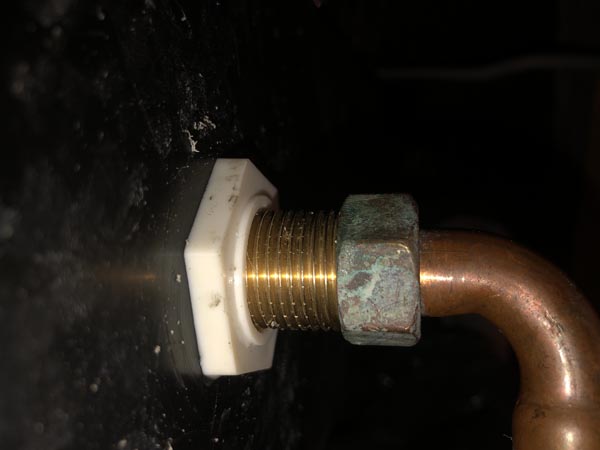
As I carried on with my daily routines I would sometimes ask clients, especially those that I knew well or had good working relationships with to make an image of me with my phone as another form of recorded practice. At this time, I was unsure of where I wanted to be with my final outcome, so decided to catalogue as many different aspects or viewpoints relating to me and my job. On top of this I was keeping a further pictorial record of my trace within my working day with a view of further developing insights for the un-initiated, sometimes mundane, sometimes obscure. Although not completely sure of where to take this assignment to develop its conclusion. I am now gathering images in three separate groupings; snapshot still life, objects associated with workplace and partial body images. Maybe I’ll amalgamate all three. I still have an exercise and more research to complete, but at last I think I’m getting there.
Bibliography
Nigelshafran.com. (2020). Washing-up 2000 [2000] : Nigel Shafran. [online] Available at: http://nigelshafran.com/category/washing-up-2000-2000/page/7/ [Accessed 17 Feb. 2020].
BATE, D. (2016). PHOTOGRAPHY. [S.l.]: BLOOMSBURY VISUAL ARTS.
Assignment 2: Reworked
Above is my tutor report relating to this assignment. I have to say I’m pleased with Matthew’s comments. Of all of the assignments I’ve undertaken so far this has been the most engaging and rewarding in terms of outcome and experience. I know I still have much work to do regarding linking my work with critical thinking but regarding the images I am happy with my development to this point.
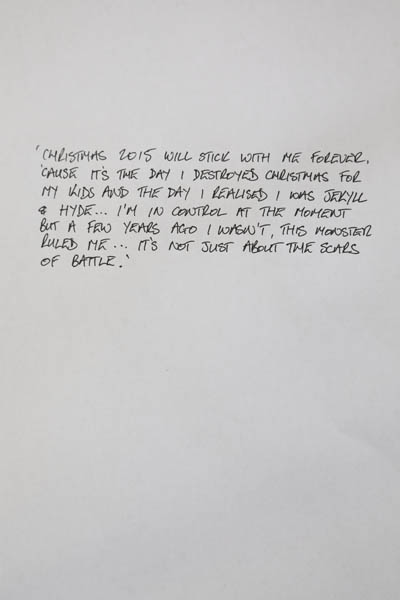
I understand Matthew’s comments regarding the addition of text. Text is something that I haven’t really engaged with before in developing a narrative thread and perhaps I was a little naive with its usage. I guess my reasoning regarding text came from a two-pronged point of view. The first was due to the amount of aural testimony that I gathered from my sitter when making the portraits and the emotional responses he gave me, I felt it was important to include as much as I could without it becoming the focus. The second point was to use text as a way of bookending and marking a separation line between the portraits and the metaphors. With reflection this now seems heavy-handed and I take the point that the work needs to stand on its own without becoming described by text. I still feel that I want to include some testimony, but as the adage goes, show, don’t tell.
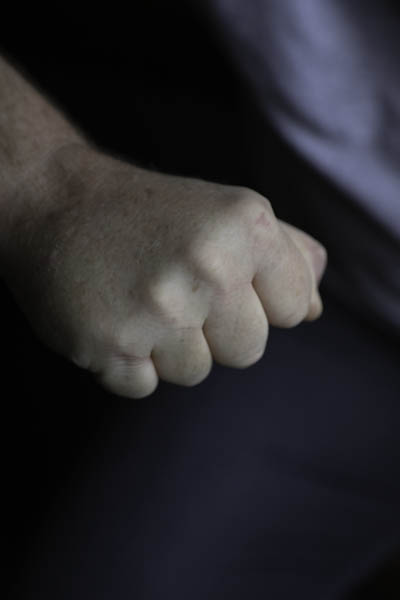
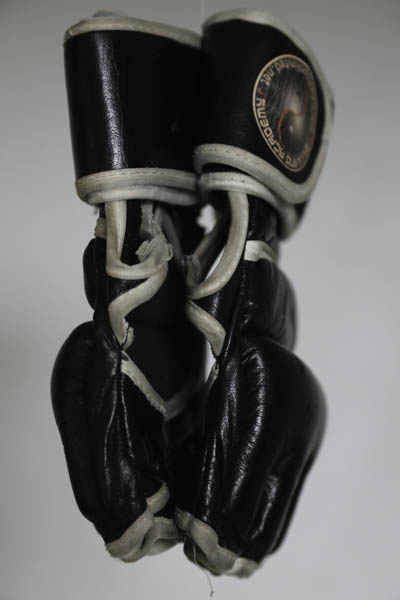
Thinking about the MMA gloves – I probably did shoe horn them in and they do seem the odd one out in the set. At the time, my thoughts were about drawing a happy conclusion to the work with the aid of linking it to the text regarding Martin gaining strength through his martial arts experiences, I realise now that perhaps the work is weaker for the images inclusion.
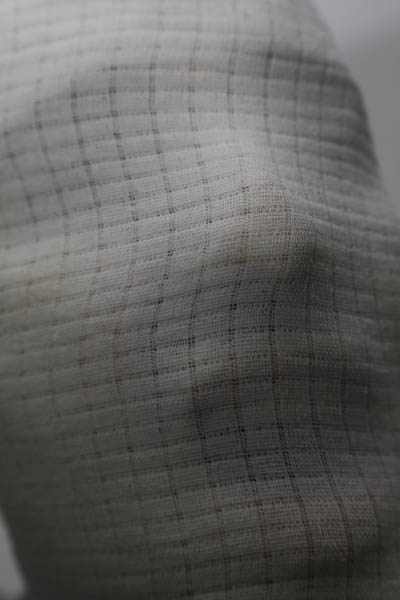
Assignment 2: Reflection
I think out of all the assignments I’ve engaged with thus far, this has to be my favourite. The level of understanding that I’ve built through working through the exercises in the first couple of parts of this module, have helped hugely in the development of ideas with regard to visual story telling. I definitely feel like I’m gaining more confidence in developing and representing my ideas.
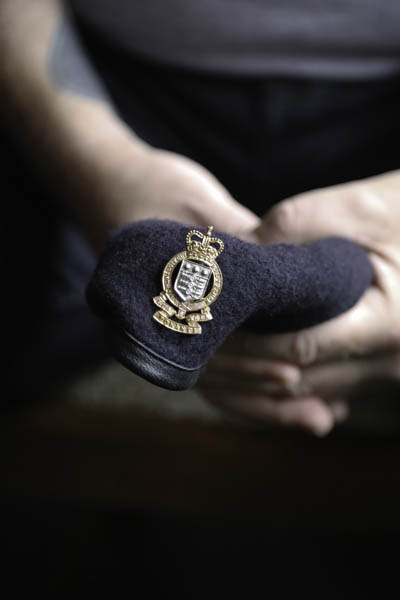
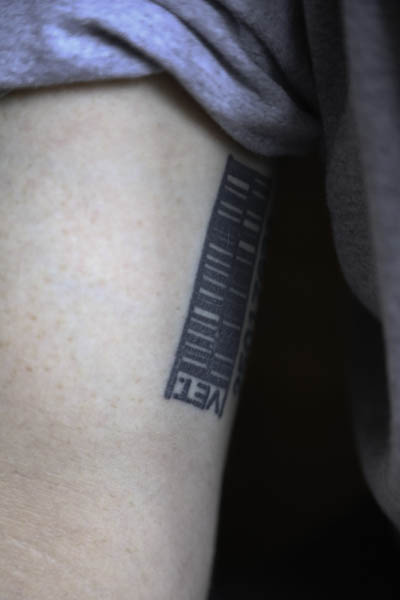
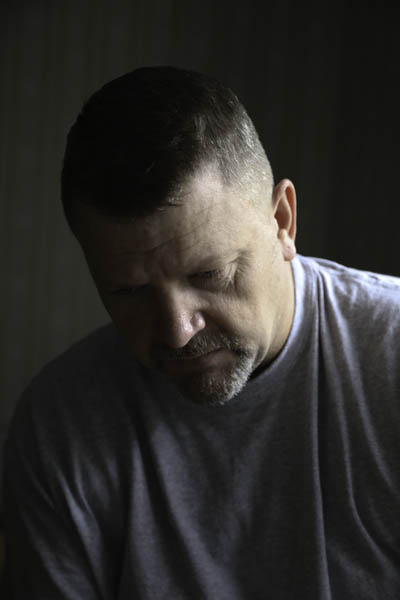
When finally settling on an idea for Photographing the Unseen – that being PTSD. I wrestled with a couple of different outcomes for its conclusion. I talked to Martin (I don’t like the term subject as I think it dehumanises) at great length – over two hours in fact. We covered lots of ground during this time including reasons for his enlistment; early postings; serving in Iraq; the horrors of what he experienced; post army life; the manifestation of his PTSD; dark days; psychotherapy and help groups and finally his gaining of confidence and new friends through our martial art group.
Whilst talking, the most reflective he became was when he talked about his experience of suicidal thoughts. This was when I made the portrait image of him. For some time, I thought of representing this in my set of images, which is why I made the image below.
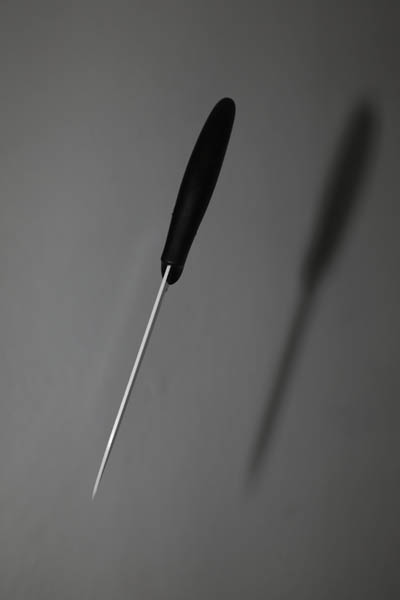
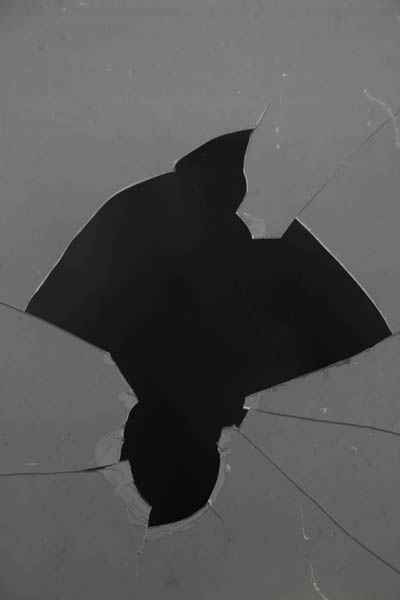
I decided it was important to portray a more positive story though and realised that Martin would be better served by focusing on his healing. For this reason, I swapped the knife for the MMA gloves as I think these have a dual meaning. They represent the fight he’s endured with his psychological scars and also, they symbolise the healing process of his martial arts journey and the new friends and confidence he has gained.
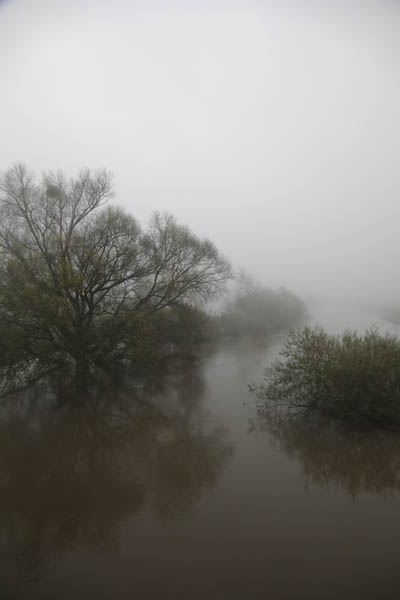
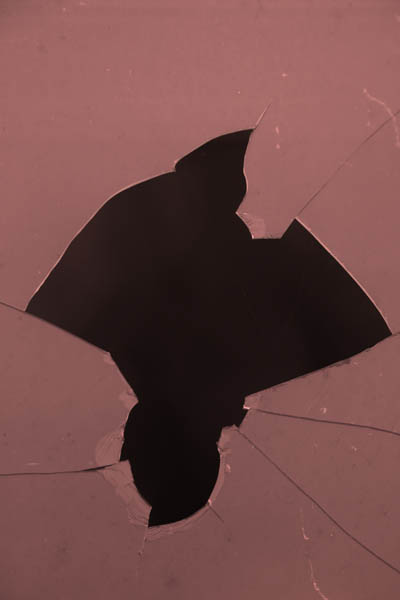
There was one other idea that I had an about turn with. At one stage I considered representing the metaphorical images through a coloured filter. I thought that this might indicate stress, pressure, trauma, blood and may work well to ensure a more allegoric reading of the work. I’m still unsure, I might still change my mind and put them in. Maybe.
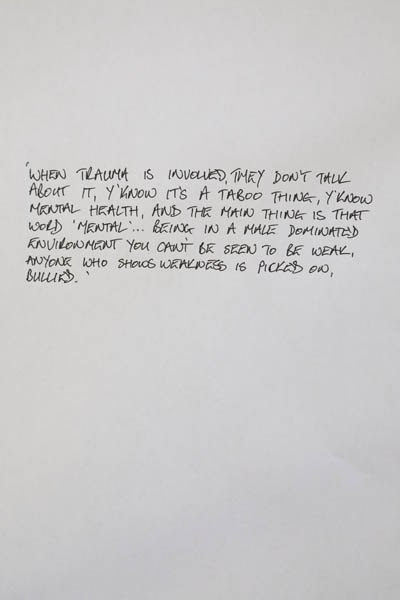
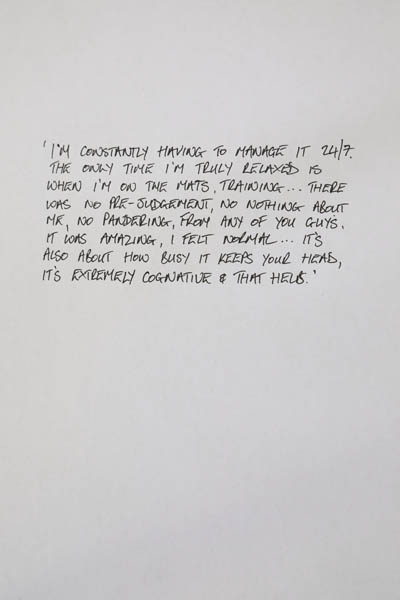
Finally, I thought it was really important that the text used was hand written. As it was Martin’s testimony verbatim, I felt that it would add to its authenticity if it was appearing from his own hand. Actually, it was written by my hand, but I don’t think it matters so much in this case as I’m not stating that it is his writing, it is done merely to add weight to his words.
Assignment 2: Submission
Soldiers experience and see a great many things that we, the average person on civvy street, would have no comprehension of. Yes, we can watch news feeds and be horrified, as easily as watching films and getting a sense of the carnage that occurs. Perhaps, we can garner some form of understanding of the nature of warfare from our news sources, but we don’t bear witness, so we don’t see the truth perpetuated in front of us. We don’t hear the ear-splitting explosions, we don’t smell the rot of corpses, we don’t live in a heightened state of constant fear and we don’t see our friends killed if front of us. How can we truly understand?
I’ve known Martin for a number of years now and although I know of his condition, it seems that it’s always been at a distance, I’ve never really understood his day to day. PTSD is a condition which bears multiple symptoms and can have many triggers. A firework going off, someone bumping into you or a heightened sensitivity to background noise. Reactions can include anxiety, panic and confusion; anger and violence; depression; loss of self-belief; suicidal tendencies and isolation.
I am grateful to Martin for letting me into his world and piquing my interest. He let me in and held nothing back from me, sharing experiences that he has shared to very few people. I feel extremely privileged. I have a better understanding of the burden that he carries and although his quest is probably going to be lifelong, I know he has the strength to heal, through groups like combat stress, breathing and meditation techniques, counselling and medication and finally martial arts, which is where our friendship developed. Martin’s is a positive story on how to deal with such debilitating condition and he acts as a beacon to others.
Assignment 2: Contact Sheets
Assignment 2: Photographing the Unseen
What can be deemed as unseen and worthy of photographic endeavour? This I grappled with for a few days before even beginning to put pen to paper. I tend to let the ideas form and dissipate, replaced by fresh ones, forming and dissipating again, a meditation if you will. After a couple of days of meditative; assignment, day dreaming some solid ideas began to form. My initial thoughts were related to the conveyance of feelings or emotions. Love, hate, anger, pain, annoyance, joy, fear, guilt, sadness, contentment, peace – all of these feelings remain unseen and could perhaps be represented in the form of abstract photographic metaphors. Taking love as an example, the obvious thing to do would be to photograph representations of a heart – or maybe even a real heart – obtained from a butcher’s shop. Add to this an image of a child’s dummy, and a picture of beach where an early sexual encounter occurred, perhaps even a football club motif and a story of love begins to form in image metaphors. Honestly though, the ideas all seemed a bit cliched, maybe even contrived, and this ran across the board for all of the differing feelings/emotions. There had to be another way of approaching this assignment.
Whilst driving to work, mulling over ideas for the representation of belief systems; the economic model of capitalism; belief in conspiracy theories; the ideas of isolationism and xenophobia; the new politics of lies, I started to develop a migraine (too much thinking perhaps?). As a child I used to suffer with full blown photo-sensitive migraines, which included nausea, tunnel vision, heightened aural and photo-sensitivity, numbness and excruciating headaches. Thankfully these subsided in my teens after self-medicating with THC (there must be something in it). I now, no longer self-medicate, and the migraines have returned, but in the muted form of ocular migraines. These have a purely visual effect, taking the shape of an initial spark of bright colourful light, which mutates into a crescent of kaleidoscopic, almost electrical impulses, growing within the field of vision, eventually dissipating after about half an hour or so. While in the spell of the visuals I’m rendered without proper vision and depending on the strength and time of the attack, can be left discombobulated, as though I’ve been hit about the head in a boxing ring, sometimes lasting up to 24 hrs.
I shifted my train of thought away from representing belief systems to that of migraines. Unsure whether this would be my final foray or whether I might return to some earlier idea or develop a new strand. This assignment is busy for the mind. I scribbled down a visual representation of the patterns and how they developed unsure as how to progress. I also researched auras with a view of copying them and enhancing, maybe even distorting their shape in photoshop with the aim of using them as an overlay’s. The overlays would form the point of focus on a wider, out of focus background, containing scenes and tasks of the everyday; hands in the washing bowl; on a steering wheel; typing at a computer and other such endeavours that become very hard to complete when the vision becomes assaulted with patterns of ocular interference. In so far as my own scribbling’s, I thought I could draw with coloured Sharpies on to clear acetate, photograph these and then photoshop them over scenes of the mundane.
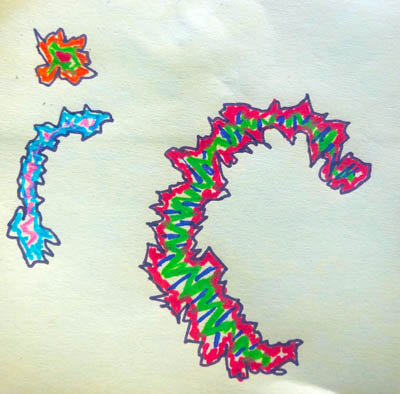
Initial doodles.
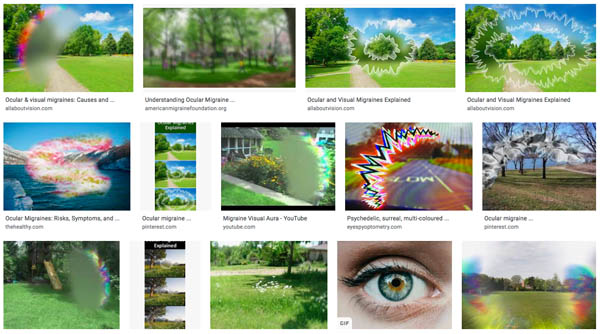
Google search screen grab.
After completing further research into ocular migraines, I came across the above images on google. Needless to say, I was bitterly disappointed. Not only were some of the images similar in construction to my idea, I found them weak, there was no connection for me to them. Although, I thought I could maybe tell a story with the linking theme of how hard the every day tasks can become when in the grip of a migraine, embodied with the changing shapes and patterns of the visuals, I realised that maybe this would become to repetitive. I was not wholly convinced with the concept anymore. This may have potential in future, but for now I reckoned on shelving the idea. One other thing that helped me decide this wasn’t going to be a viable idea, was the thought of manipulating found images and how this might have potential copyright and plagiarism connotations. No, I decided it was time to re-think again.
The answer to my conundrum hit me in the face, almost in a literal way. I train in martial arts and one of our members is a veteran of the Iraq campaign of the early 2000’s. Martin has suffered with PTSD since being in Iraq, but it really came to the fore after he left military service. I’ve heard him talk a little about his condition and have always been intrigued, so I approached him with a view of seeking his collaboration and the aim of exploring his condition. Thankfully he agreed.
I was relieved to final have a concrete subject on which to focus on. PTSD is a very challenging condition for the diagnosed and also for their families. The condition has many facets to it, all falling within mental health parameters and can often lead to multiple aspects presenting at the same time. I wanted my process to be organic, not to force the project with a shot list but to connect with photographic metaphors in an in the moment by moment manner. What I mean by this, is to feel a connection with something that has a metaphoric resonance to my subject matter by chancing upon them rather than by searching them out. I figured I would make the work part portrait and part metaphorical. I also wanted to add testimony to the project and that could only come from Martin himself. So, it was, I set off on a Sunday morning to sit with Martin and find out more of his experiences by audio recording our conversation while taking his portrait and by making images of memorabilia related to his military experience.
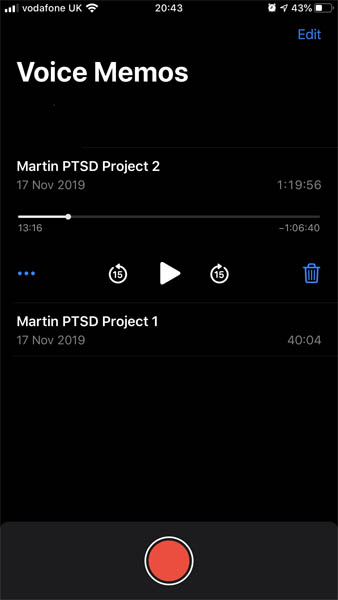
Voice recording.
The session passed quickly, and Martin was very engaging, not shying away from any of my probing in relation to his experiences. I think it was as cathartic for him as it was enlightening for me, and supplementary to this visit he has invited me along to some group sessions to meet other veterans in similar circumstances – I look forward to further encounters with other vet’s and hope to expand on this subject. Happily, I managed to get the pictures I needed to form the core of the portrait side of the project. I have also come to realise that I needed to construct some images in regard to establishing some of the metaphors I need – organic has only worked in part, and I have an idea of what I want to shoot to form a symbiosis with the portraits. I thought it was important in regard to arrangement of the work that it focused on healing. It would be very easy to play to the negative aspects of PTSD, and, as you can see when viewing the contacts there are pictures of a kitchen knife. Martin told me of thoughts of suicide that he had experienced on several occasions and I had during my process thought of making that part of the story – Martin’s over that stage now and I realised that it would be more respectful to him to highlight the positive aspects of his martial arts training. Also, it is important that the that the recorded testimony appears in handwritten form as I feel this gives it more gravitas. This idea came from viewing Kaylyn Deveney’s project – The Day-to-Day Life of Alfred Hastings.
Kaylyn Deveney’s project follows the everyday life of Albert Hastings, building up a picture of the everyday occurrences, tasks and rituals that give his life some meaning. This evocative project gives insight into notions of loneliness, independence, the mundane and the repetitive nature of life, occurring with people experiencing the twilight years after the loss of a long-term partner. The text featured within the project are Alberts own interpretations of Kaylyn’s images and are in the main, literal readings of her work. They give insight into the differing interpretations and meanings of a collaboration such as this, his being an autobiographical point of view, whereas hers is the gaze of a stranger. With regard to my own project, I felt it was important to include Martin’s dialogue verbatim. I’ve generally abstained from using text in previous projects as I don’t like to lead the viewer by the hand in reading my work. This time though, I felt it was important to enable the work to have authenticity through highlighting the collaboration – it is after all a heavy subject.
Bibliography
KayLynn Deveney Photographer. (2019). Bert Grid — KayLynn Deveney Photographer. [online] Available at: https://kaylynndeveney.com/bert-grid [Accessed 1 Dec. 2019].
Assignment 1: Tutor Feedback
In the main I’m genuinely please with the feedback from my tutor. Even though I have already completed the introductory module of EYV I still feel as though I’m finding my feet with regard to some areas of academia. I’m also mindful of the fact that I took perhaps, too long to complete the first module and need to make sure I stick to the allotted timeframes for completion of this first level. I take on board Matthew’s comments regarding engaging with critical analysis rather than description when it come to researching other photographers. If I had more time I would complete extra research and add it to my learning log but I have to balance that with other areas of study and running a business, it’s essential to me to complete the course, so maybe, sometimes, I have to sacrifice certain aspects to stay on track with my timings. There are many positives from his feedback and plenty of areas for me to improve on.
 Context and Narrative